

How Many Days in Tokyo? A Local Guide for First-Time Visitors

The Short Answer: Plan at Least 3 Full Sightseeing Days in Tokyo
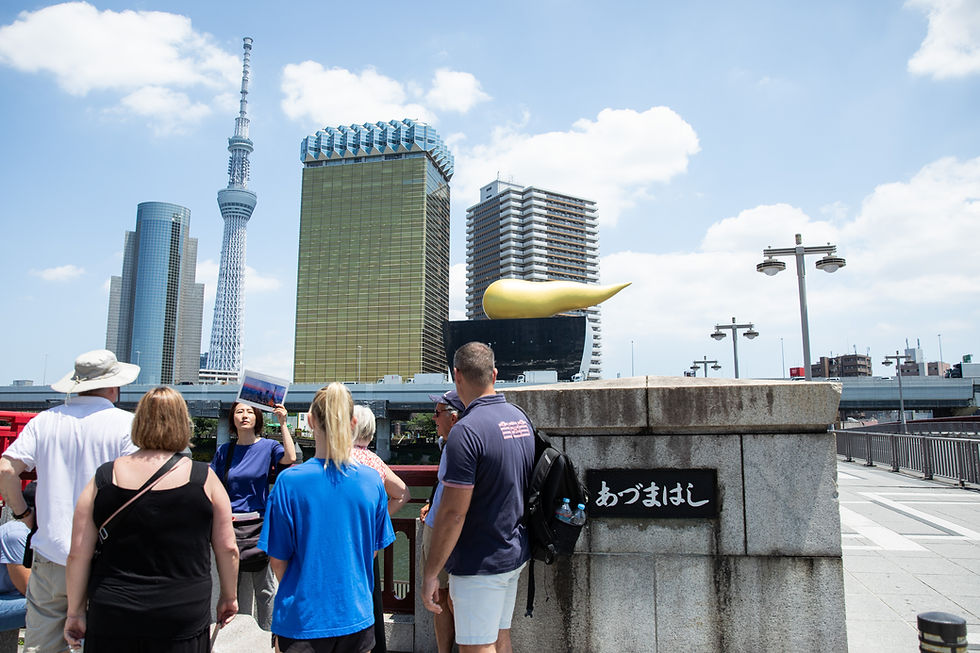
How many days do you need in Tokyo?
For a first visit, the answer is simple: Plan at least 3 full sightseeing days in Tokyo.
At Tokyo Localized, we have collected traveler data for nine years through our tour booking process. When guests book our tours, we ask how many days they plan to stay in Tokyo. Based on approximately 150,000 traveler responses about planned Tokyo stays, the average Tokyo stay is three days.
Methodology: This figure is based on booking responses collected by Tokyo Localized over nine years. It represents planned stays reported at booking, not necessarily unique travelers or completed stays.
After years of personally guiding international visitors through Tokyo, my answer is clear: A minimum of three full sightseeing days is what I recommend for a first-time visitor to Tokyo.
However, “three days” does not mean three hotel nights. It means three complete days from morning until night dedicated to exploring Tokyo. A traveler arriving in Tokyo in the evening or leaving early for the next destination may technically stay several nights, but the actual sightseeing time is much shorter.
If you have four or five days, you can go beyond the famous highlights and experience local neighborhoods, Japanese culture, and day trips outside Tokyo.
How Many Days Should You Spend in Tokyo?
Full sightseeing days | What you can realistically do |
1–2 days | Focus only on your top priorities, such as Asakusa or Shibuya |
3 days | Minimum time to see Tokyo’s major highlights for first-time visitors |
4 days | Add local neighborhoods and cultural experiences |
5+ days | Explore Tokyo more deeply and include day trips |
Is 3 Days Enough for Tokyo?
Yes, if your goal is to see Tokyo’s major highlights.
However, it is the minimum. Tokyo is not one single destination; it is a collection of neighborhoods, each with its own history, culture, and personality.
You have:
Asakusa, where you can experience historic Tokyo
Ginza, one of the world’s most famous shopping districts
Meiji Shrine, a peaceful forest in the middle of the city
Harajuku and Shibuya, where modern Japanese culture comes alive
Shinjuku, one of Tokyo’s most energetic nightlife districts
Yanaka and Nakano, where you can discover a more local side of Tokyo
Tokyo offers an incredible variety of experiences that many first-time visitors hope to discover in Japan:
History
Temples and shrines
Architecture
Food culture
Shopping
Art
Pop culture
Entertainment
Nightlife
That is why three full sightseeing days are needed even just to experience Tokyo’s essential areas.
Why Do You Need 3 Full Days in Tokyo?
There are three main reasons.
1. Jet Lag and Arrival Day Can Reduce Your Real Sightseeing Time
For travelers coming from overseas, especially from North America and Europe, reaching Tokyo is a major journey.
After a long international flight, many visitors need time for:
Airport transfers
Hotel check-in
Luggage
Rest
Adjusting to the time difference
Many travelers cannot realistically explore Tokyo from morning until night on their arrival day. When planning your Tokyo trip, count your full sightseeing days, not just your number of hotel nights.
2. Why Do Travelers Get Lost in Tokyo Stations?
Tokyo’s transportation system is one of the best in the world, but convenient does not always mean easy for first-time visitors.
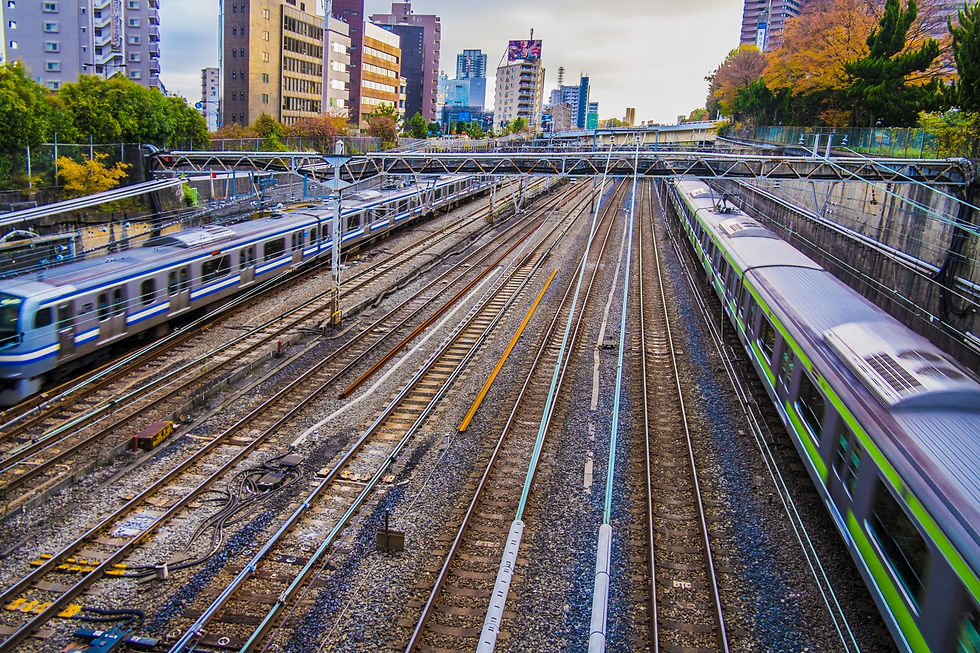
After years of guiding international travelers through Tokyo, I have noticed one challenge almost everyone faces: Tokyo’s stations and train transfers.
Major stations such as:
Shinjuku Station
Shibuya Station
Tokyo Station
These stations are enormous. Simply walking through one can take several minutes, and choosing the wrong exit can completely change your route.
Tokyo also has multiple transportation systems:
JR trains
Subway lines
Private railway companies
Google Maps makes finding train routes much easier. However, even with Google Maps, navigating Tokyo stations can feel overwhelming for first-time visitors.
The real challenge is not finding a train; it is understanding a massive station system that is unfamiliar even when you have the correct directions.
Travelers often struggle with questions like:
“Which exit should I use?”
“Am I transferring in the right direction?”
“Where exactly do I go after leaving the station?”
During my tours, I regularly hear:
“I got lost in the station.”
“I couldn’t find the right exit.”
“It took much longer than expected.”
Even as someone who lives in Tokyo, I check routes and exits when visiting unfamiliar areas. For first-time visitors, losing time in transportation is completely normal.
3. Tokyo Has Too Much to Experience
The biggest reason is simple: Tokyo has an incredible amount to offer. It is not a city you simply check off a list; it is a city you experience.
Different neighborhoods may focus on history, food, shopping, nightlife, or traditional culture.
To truly understand Tokyo, you need time to walk, explore, and notice how each neighborhood feels different.
The Best Way to Plan Tokyo: Location, Timing, and Order
Many travelers plan Tokyo by creating a list of places they want to visit. However, the most important question is not only “Where should I go?” It is “When should I go, and in what order?”
Different parts of Tokyo have different ideal times: some places are best in the morning, some during the day, and some only truly come alive at night.
Morning: Tsukiji Outer Market
If you visit Tsukiji Outer Market, morning is the best time. For first-time visitors, around 9:00–11:00 AM is ideal.
Tsukiji is not just a tourist attraction. For decades, chefs and restaurant professionals have visited this area to buy ingredients for their restaurants.
In the morning, you can experience the heart of Tokyo’s food culture. You can enjoy the food, but you can also understand why this area became such an important part of Tokyo.
You can still visit in the afternoon, but for a first visit, morning offers the best way to experience Tsukiji. To explore its food culture and history with a local guide, join our Tsukiji Fish Market Walking Food Tour.

Daytime: Asakusa, Meiji Shrine, and the Imperial Palace Area
Places connected to Japanese history and culture are best experienced during daylight.
Recommended areas:
Asakusa
Meiji Shrine
Imperial Palace East Gardens and surrounding area
Meiji Shrine is especially unique because it is a massive forest located in the center of one of the world’s largest cities.

The Imperial Palace area shows the contrast between Japan’s history and modern Tokyo. Our Shogun and Imperial Palace East Garden tour explores this history on foot.
Asakusa also changes depending on the time of day.
Morning: A quieter traditional atmosphere.
Daytime: Busy shopping streets and local shops.
Evening: Beautifully illuminated temples and streets.
For a deeper introduction to Senso-ji and its surrounding streets, join our Sensoji Temple Walking Tour.
Afternoon to Early Evening: Ginza, Harajuku, Akihabara, and Ueno
Afternoons are ideal for exploring Tokyo neighborhoods.
You can enjoy:
Shopping
Cafés
Museums
Street exploration
However, Tokyo is much larger than it appears on a map. One neighborhood can easily require two or three hours, and trying to visit too many places in one day often means spending more time traveling than experiencing Tokyo.
Night: Shibuya and Shinjuku
Shibuya and Shinjuku are best experienced at night. Of course, both areas are interesting during the day, but after sunset Tokyo changes: the neon lights come on, the streets become energetic, and restaurants and entertainment districts come alive.
For a first trip to Tokyo, experiencing Shibuya and Shinjuku at night is essential. To understand Shinjuku after dark with a local guide, join our Shinjuku Kabukicho Night Walking Tour.

A 3-Day Tokyo Itinerary for First-Time Visitors
Day 1: Traditional Tokyo
Asakusa, Ueno, and Akihabara
Experience:
Historic Tokyo
Traditional neighborhoods
Local culture
Day 2: Food, History, and Modern Tokyo
Tsukiji Outer Market, Ginza, Imperial Palace Area, Marunouchi, and Shinjuku in the Evening
Experience:
Japanese food culture
History
Modern Tokyo
Day 3: Culture, Youth Culture, and Tokyo Nightlife
Meiji Shrine, Harajuku, and Shibuya
Experience:
Japanese traditions
Modern trends
Tokyo nightlife
After these three days, you will have experienced many of Tokyo’s essential areas, but there is still much more to discover.
What Can You Do With 4 Days in Tokyo?
A fourth day allows you to slow down and explore beyond the major highlights.
You can add:
Yanaka and other local neighborhoods
Museums and galleries
Tokyo viewpoints

What Can You Do With 5 Days in Tokyo?
With five or more days, you can consider day trips.
Popular choices include:
Mount Fuji
Hakone
Kamakura
Nikko
However, these should not be treated as quick additions. Each destination deserves its own day, so plan it separately from your Tokyo sightseeing days.
Should You Join a Guided Tour in Tokyo?
Tokyo is absolutely possible to explore independently. However, if your vacation time is limited, one of our Tokyo walking tours or private guide can help you make the most of your trip.
The most valuable thing during your vacation is not money; it is time—time spent getting lost in stations, figuring out transportation, or researching history while traveling. A good guide helps reduce wasted time and gives you more time to enjoy Tokyo.
Why Tokyo Localized Created Its Tours
Tokyo Localized was created with one goal: To help travelers spend less time planning and more time experiencing Tokyo.
The difficult part of Tokyo travel is not only deciding where to go. It is deciding:
When to go
In what order
How to combine different neighborhoods efficiently
Tsukiji is best in the morning; Asakusa, Meiji Shrine, and the Imperial Palace area are best during the day; and Shibuya and Shinjuku are best at night.
A great Tokyo itinerary is not about how many places you visit. It is about which places you visit, at what time, and in what order. That is the philosophy behind Tokyo Localized tours.
Frequently Asked Questions
Is 3 days enough for Tokyo?
Yes. Three days is enough to see Tokyo’s major highlights. However, it is the minimum, so add more time if you want cultural experiences, local neighborhoods, or day trips.
Is 3 nights and 4 days enough for Tokyo?
If you have three full sightseeing days, it is a good amount of time for a first visit.
Is 4 days too long in Tokyo?
No. Four days gives you time to explore beyond the famous tourist areas.
What can I do with 5 days in Tokyo?
You can add local neighborhoods, cultural experiences, museums, and a day trip.
Should Mount Fuji or Hakone count as Tokyo days?
No. They should be planned as separate days.
Can I visit Mount Fuji from Tokyo?
Yes, but count it as a separate day from your Tokyo sightseeing days.
Should I visit Tokyo or Kyoto first on my Japan trip?
Many first-time visitors start with Tokyo because it is one of Japan’s main international gateways. However, the best order depends on your overall itinerary.
How many days do I need in Tokyo and Kyoto?
Many first-time visitors spend around 3–5 days in Tokyo and 2–4 days in Kyoto, depending on their overall Japan itinerary.
Can I explore Tokyo without a guide?
Yes. However, if you want to understand the history and culture behind each neighborhood while saving valuable vacation time, a walking tour can be a valuable option.
About the Author
Dai Miyamoto
Founder & CEO of Localized, the company behind Tokyo Localized
Since 2017, Dai has operated Tokyo tours for international travelers. With nine years of traveler data about Tokyo stays and extensive experience personally guiding visitors through Tokyo, he designs tours around the best timing, routes, and stories that help travelers understand the city.
Final Thoughts
Tokyo Localized’s nine years of traveler data show that the average Tokyo stay is three days. After years of personally guiding international visitors through Tokyo, my answer is clear: Three full sightseeing days are the minimum for a first visit.
Three days is enough to discover Tokyo’s essential highlights, but Tokyo does not end there. If you have four or five days, you can experience a deeper, more personal side of the city.
Even after living in Tokyo, I still discover new neighborhoods, new stories, and new reasons to explore. For a first visit, start with three full days; if you have more time, Tokyo will continue to reward you. That is what makes Tokyo a city worth returning to again and again.


Comments